Thinking about turning a Driggs property into a high-performing vacation rental? With Grand Targhee down the road and four seasons of outdoor recreation, the Teton Valley draws a steady stream of visitors. Still, strong returns are never automatic. In this guide, you’ll learn what truly moves the needle on ROI in Driggs, from guest demand and amenities to pricing, costs, rules, and financing. Let’s dive in.
The Driggs demand engine
Driggs sits in the heart of Teton Valley with quick access to Grand Targhee Resort and a reasonable drive to Jackson Hole. That mix pulls winter skiers, summer hikers and bikers, and families looking for a relaxed mountain base. Your ROI rises when you align your property and pricing with that visitor profile.
Seasonality and events
Winter is the primary demand driver thanks to Grand Targhee. Properties marketed as near lifts or shuttle routes often see higher occupancy and ADR in peak ski months. Summer brings strong outdoor recreation traffic, with fall and late spring acting as shoulder periods. Local festivals, races, retreats, and wedding weekends can quickly spike bookings if your calendar and minimum stays are flexible.
Access and location advantages
Guests care about how fast they can get from door to lift, trailhead, or downtown Driggs. Proximity to Grand Targhee and town amenities can lift both occupancy and nightly rates. Reliable winter access, parking, and clear guidance on travel from regional airports influence conversion and reviews.
Property features that lift income
Not all homes perform the same. The right mix of layout, amenities, and presentation helps you attract families, friend groups, and extended-stay travelers who value comfort and convenience.
Location and layout
Two to four bedrooms tend to book well for family and group trips. Flexible sleeping options and multiple bathrooms reduce friction for larger parties. Walkability to restaurants and services can help in all seasons, especially for fly-in guests.
Amenities that command premiums
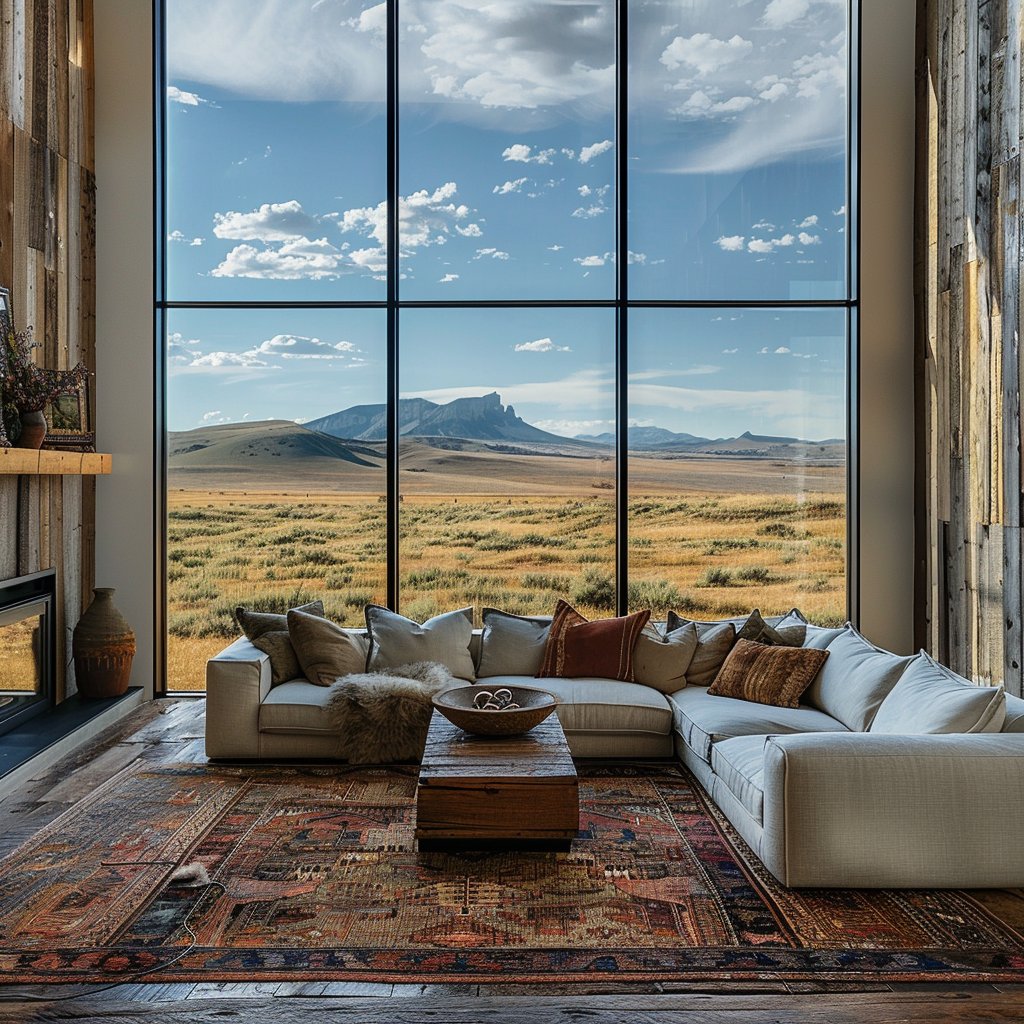
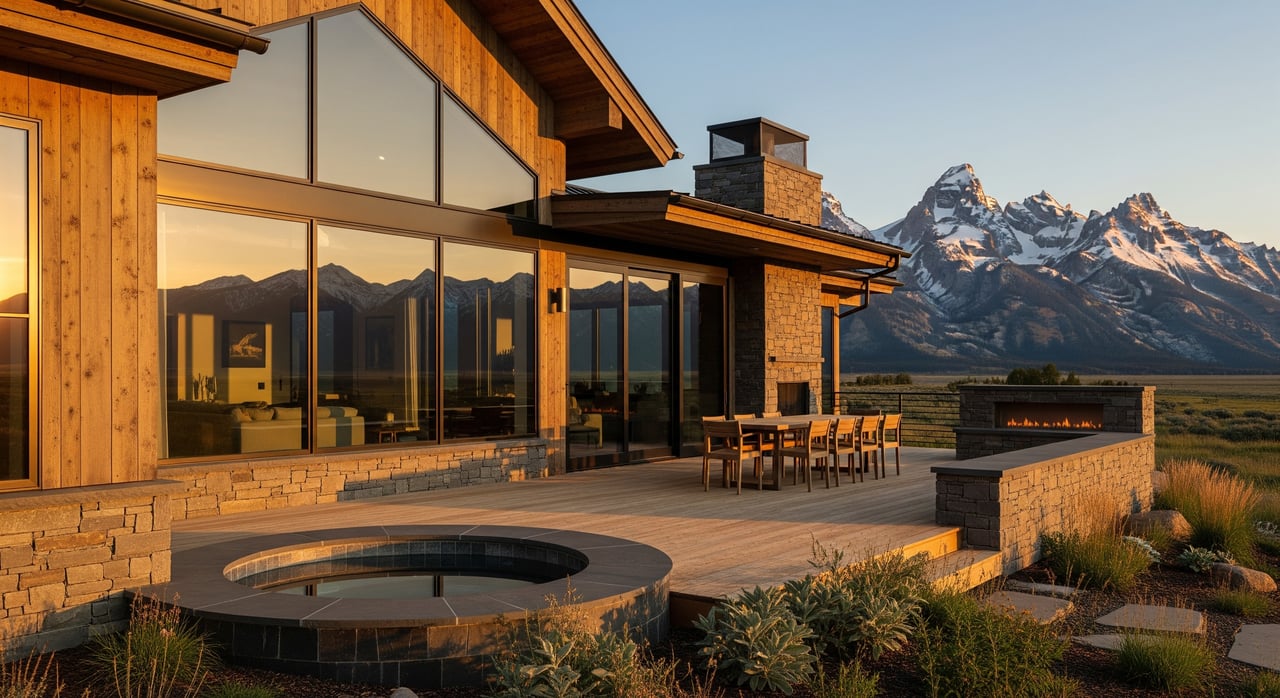
Features that often justify higher ADR include a hot tub, mountain views, garage or covered parking, updated kitchen, large common areas, pet-friendly setups, private outdoor space, and high-speed internet. Professional staging and photography are essential. An optimized listing with clear, friendly copy and accurate details improves conversion.
Operations that protect net return
Revenue is only half the story. Your management approach, pricing, and booking rules determine how much you keep after expenses.
Management model
Self-management keeps fees down but demands time, local vendor relationships, and 24-7 responsiveness. Full-service management commonly ranges from 15 to 35 percent of booking revenue in mountain markets. A strong manager can lift occupancy, optimize pricing, and handle operations, which can offset the fee for many owners.
Smart pricing and distribution
Dynamic pricing that adjusts for seasonality, events, snow conditions, and competitor rates typically outperforms a static nightly rate. Listing across multiple channels can widen your audience, though it adds complexity and may require channel management tools. Track performance by month so you can compare ADR, occupancy, and RevPAR against your targets.
Minimum stays and turnover
Shorter minimum stays can fill gaps and boost occupancy, but they raise cleaning frequency and wear. Consider different rules by season, with tighter minimums and stricter turnover days in peak months. The goal is to balance occupancy with operating costs and guest experience.
Model the money
Strong ROI starts with a clear financial model that reflects Driggs seasonality and your exact expense structure.
Key performance metrics
- ADR: total rental revenue divided by booked nights.
- Occupancy rate: booked nights divided by available nights.
- RevPAR: ADR multiplied by occupancy rate.
- Gross rental income: total revenue before fees and taxes.
- Net Operating Income: gross rental income minus operating expenses, excluding mortgage.
- Cap rate: NOI divided by purchase price.
- Cash-on-cash return: annual before-tax cash flow divided by total cash invested.
- Break-even occupancy: fixed annual costs plus target profit, divided by ADR minus variable cost per night.
Build a 12-month pro forma
- Set monthly ADR and occupancy by season using comparable listings and local demand patterns.
- List fixed costs like insurance, property taxes, HOA, and base management fees.
- Add variable costs like cleaning per stay and utilities per occupied night.
- Subtract platform fees and management fees from monthly revenue to estimate NOI and cash flow.
- Run sensitivity scenarios by shifting ADR and occupancy up or down 10 to 20 percent.
Cost categories to budget
Your gross revenue matters, but your expense discipline determines net results. Plan for:
- Property management fees
- Cleaning and turnovers
- Utilities and internet
- Routine maintenance and repairs
- Capital upgrades and furnishings refresh cycles
- HOA dues where applicable
- Insurance tailored to short-term rentals
- Marketing and listing costs
- Local lodging or transient occupancy taxes
- Mortgage interest and property taxes
Rules, taxes, and permits in Driggs
Short-term rental regulations can vary by city and county. In and around Driggs, confirm zoning, licensing, safety standards, occupancy limits, parking, and waste rules before you buy or launch. HOA covenants can limit or prohibit short-term rentals, so review them closely.
Owners typically must register and collect or remit lodging taxes based on local rules. Some platforms may collect certain taxes, but you remain responsible for compliance. Rental income is taxable, and most operating expenses and depreciation may be deductible. If you use the property personally, be mindful of mixed-use rules that can affect deductions. Consult a qualified tax professional for guidance on your specific situation.
Financing and lender realities
Investment property loans often require higher down payments and carry different underwriting standards. Ask lenders whether projected short-term rental income can be used in debt service calculations and what documentation they need, especially if there is existing rental history. Alternatives like portfolio loans, cash purchases, or seller financing can change your cash-on-cash return and risk profile.
Risks and trends to watch
- Regulatory changes can alter or limit short-term rental activity.
- New supply from condo projects or second homes entering the market can pressure ADR and occupancy.
- Weather swings, wildfire smoke, or road conditions can affect peak-season visitation.
- Economic slowdowns can reduce discretionary travel.
- Operational slip-ups quickly hurt reviews and future bookings, so consistent quality control is key.
Recent patterns show ongoing interest in mountain destinations, especially for well-located, amenity-rich properties. At the same time, more professional operators have entered resort markets, raising the bar on presentation and guest experience.
Investor checklist for Driggs
- Confirm zoning, local short-term rental rules, and any HOA restrictions.
- Benchmark comparable listings within 5 to 15 miles for ADR, occupancy, and amenities.
- If buying an existing rental, request P&L, occupancy calendars, and guest reviews.
- Get written estimates for management fees, cleaning rates, utilities, and insurance.
- Build a month-by-month pro forma with conservative assumptions and a sensitivity table.
- Verify lodging tax registration steps and filing schedules.
- Interview multiple local property managers about guest preferences and off-season strategies.
- Compare financing options and whether the lender recognizes short-term income.
Putting it together
ROI in Driggs comes down to demand alignment, property quality, and disciplined operations. Lean into Grand Targhee access, optimized amenities, and seasonally smart pricing. Control costs, stay compliant, and model different scenarios so you know your break-even and target returns before you buy.
If you’re weighing a purchase or preparing a property for the short-term market, our team can help you analyze comps, pricing strategies, and go-to-market positioning. Reach out to Top-Notch Real Estate to talk through your goals and build a plan that fits your budget and timeline.
FAQs
How much can a Driggs vacation rental earn?
- Earnings vary by proximity to Grand Targhee, season, size, and amenities. Use a 12-month pro forma with seasonal ADR and occupancy to create realistic ranges before you buy.
What are the biggest costs that reduce ROI in Driggs STRs?
- The largest line items often include management fees, cleaning and turnovers, utilities, insurance, HOA dues, taxes, and capital refreshes like furnishings or appliance upgrades.
Do I need a permit to operate a short-term rental in Driggs?
- Short-term rental rules are set by the city and county. Confirm parcel-specific zoning, licensing, safety and parking standards, and any HOA restrictions before operating.
Is it better to self-manage or hire a property manager in Teton Valley?
- Self-management can reduce fees but requires time and local vendors. Full-service managers typically charge a percentage of bookings and may lift occupancy and ADR enough to offset that cost.
How should I set seasonal pricing for a Driggs STR?
- Use dynamic pricing, compare to similar local listings, and adjust for ski season peaks, summer demand, shoulder periods, and special events.
What financing options work for short-term rentals in Idaho?
- Expect higher down payments and underwriting tailored to investment properties. Ask lenders if they accept short-term income in debt calculations and what documentation they require.