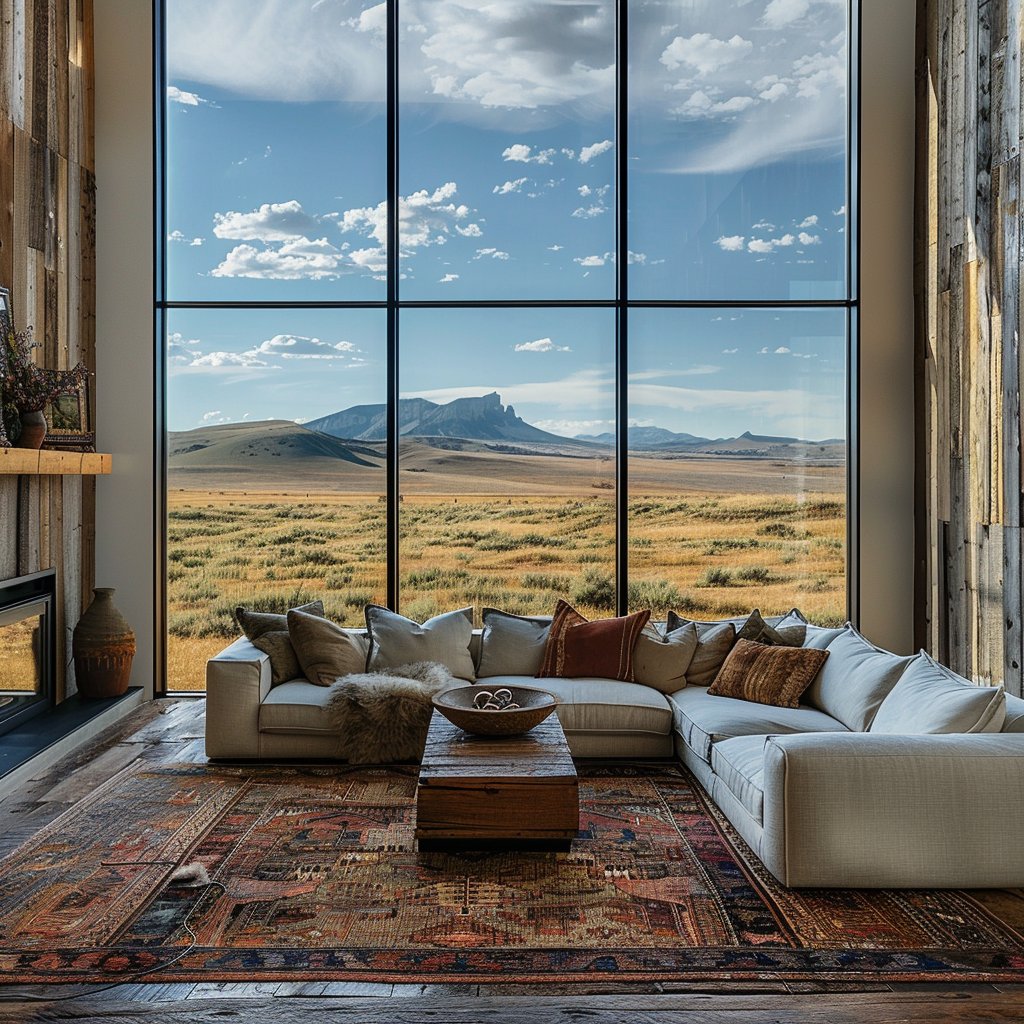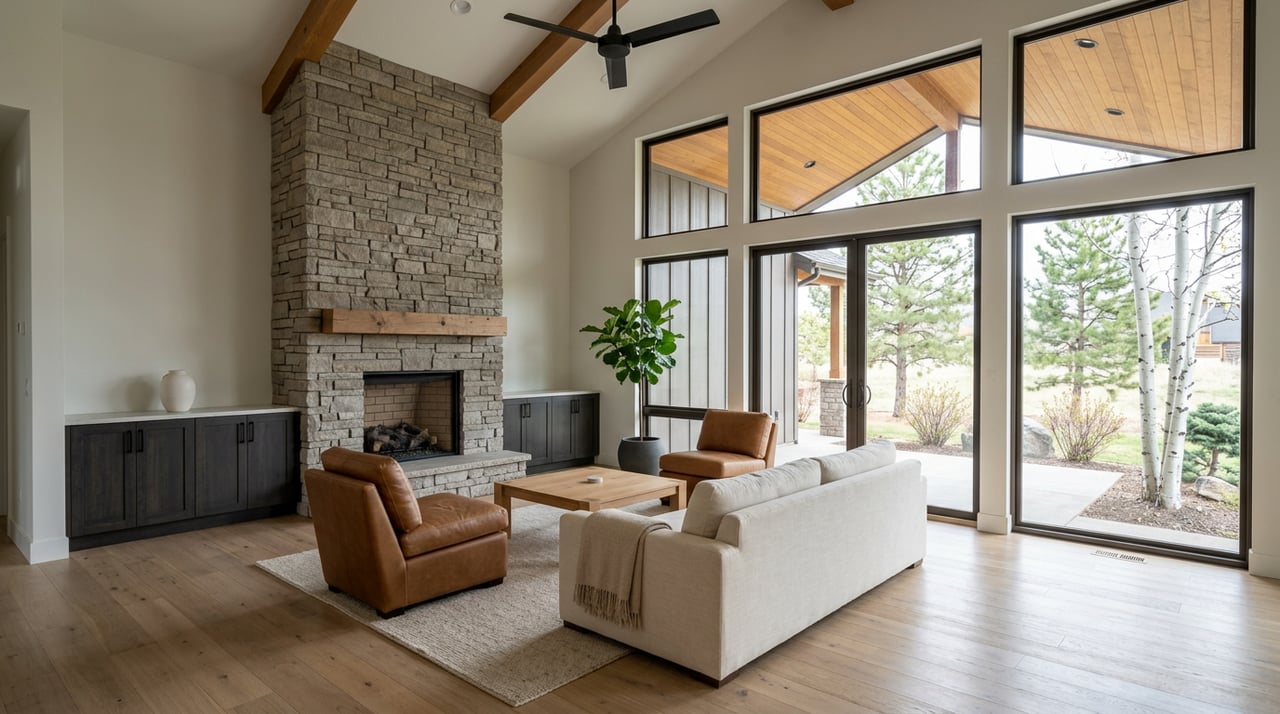
Dreaming of a quiet base near world-class trout water and easy day trips to big mountains? If Swan Valley has been on your radar for a cabin or second home, you are looking at a small, scenic valley where life moves at a rural pace and recreation steals the spotlight. Owning here feels different than a typical suburb, which is part of the draw and part of the work. In this guide, you will learn what life here really looks like across the seasons, how utilities and access work, what to know about short-term rentals, and the practical steps to buy with confidence. Let’s dive in.
Why Swan Valley works for second homes
Swan Valley is a tiny incorporated city in Bonneville County at roughly 5,200 to 5,400 feet. The small scale means quiet living and direct access to nature, with services that reflect a rural community. You will feel close to the outdoors, and you will also plan ahead for things like snow removal and contractor lead times.
The South Fork of the Snake River and Palisades Reservoir shape daily life. The South Fork is known for dry-fly trout fishing, while Palisades offers boating, fishing, and shoreline time that define summer weekends. You will also find steady interest from visitors who use the valley as a low-key base near bigger-name destinations.
South Fork and Palisades days
Summer is prime time to be on the water. Boaters and anglers use Palisades Reservoir’s ramps and recreation sites throughout the season. You can plan trips and access points from the official overview on Palisades Reservoir at Recreation.gov.
Easy resort-day access
The city notes a roughly 45-minute drive to Jackson Hole through the passes, depending on conditions. That makes Swan Valley attractive if you want a peaceful home base with quick access to Grand Targhee, Jackson Hole, and national park adventures without resort-town prices.
Seasons and access
Summer and shoulder seasons
June through September is your high-usage window. Expect river flows that bring anglers from around the world, full days on Palisades, and long evenings on the deck. Fall often carries strong weekend demand from anglers and hunters, and the weather can feel ideal for quieter getaways.
Winter realities and road planning
Winter in Swan Valley can be long and snowy. If you plan to visit on weekends, check Idaho 511 and the state’s winter driving guidance for road and pass conditions, and build in time for variable weather. The Idaho Transportation Department’s tips and resources are a helpful starting point at the winter driving page.
Climate snapshot and home prep
Average July highs run in the 80s, while winters are cold with measurable snowfall. The NOAA station for the area provides month-by-month normals you can review before planning upgrades or winterization. See the local climate normals at this station overview.
Utilities and services at rural cabins
Power and heating
Most addresses are served by a rural electric cooperative. Service is dependable, but outages can occur during storms like in any mountain valley. If a cabin relies on electric heat or propane, confirm the tank size, whether the tank is owned or leased, and typical winter delivery schedules. For electric service territory context, see Lower Valley Energy at FindEnergy.
Water, sewer, and permits
Some in-town parcels connect to city water and sewer, while many outlying properties use private wells and septic systems. Ask for well logs, recent water tests, septic pumping records, and any capacity documents during due diligence. The city posts permitting information and documents at Swan Valley’s documents and maps page.
Internet and remote work
Internet options vary by address. Some locations can access wired or fixed wireless, while many remote lots rely on satellite services like Starlink. Always verify options by running an address check and testing speeds if reliable connectivity is important for you. A helpful tool for availability lookups is BroadbandNow’s Swan Valley page.
Maintenance must-dos for second homes
Owning in a rural, four-season valley means a bit more planning. Build the following into your routine:
- Winterize systems for vacancy. Use shutoffs, insulation, and smart thermostats, and keep a propane or backup heat plan in place.
- Arrange snow removal for driveways and roofs. Heavy snow can build quickly, and access matters for you and any service providers.
- Schedule septic and well care. Plan regular septic pumping and inspection, plus annual well water testing for potability.
- Wildlife and wildfire readiness. Use wildlife-safe trash storage and create defensible space by managing brush and vegetation.
- Remote management. If you will be away for long stretches, consider a caretaker, co-host, or local property manager to handle check-ins, snow events, and vendor coordination.
Short-term rentals in Swan Valley: what to know
Swan Valley collects a municipal non-property sales tax under Ordinance No. 89. This includes a 3% room occupancy (lodging) tax on stays of 30 days or less, plus a 1% retail sales tax and a 1% alcohol-by-the-drink tax. If you plan to host a short-term rental, it is your responsibility to register with the city and follow remittance schedules. You can review the city’s packet and forms in Ordinance 89’s information packet.
Idaho also charges a state travel and convention tax on lodging for stays of 30 days or less. Marketplaces like Airbnb or VRBO may collect certain taxes on behalf of hosts if they are registered as marketplaces with the Idaho State Tax Commission, but hosts must still ensure they are properly registered when renting directly or charging fees outside the marketplace. Start with the state’s guidance on the travel and convention tax, and confirm any additional marketplace rules as you set up your listing.
Scale and seasonality of STRs
A local planning document that cites AirDNA reported about 49 short-term rental listings in Swan Valley in 2024, with most operated independently. Expect strong summer demand tied to the river and reservoir, good fall weekends, and targeted winter stays from guests using the valley for ski day trips. You can read the cited community document for context and counts here.
STR setup checklist
Before you list, work through these steps:
- Verify zoning and any HOA rules that govern rentals.
- Obtain your city permit and understand remittance timelines under Ordinance 89.
- Confirm who collects and remits each tax. Check the Idaho State Tax Commission and your marketplace’s tax collection status.
- Line up local help. Book a co-host, property manager, or caretaker for guest support, cleaning, snow removal, and emergencies.
- Review insurance. Make sure your policy allows short-term rentals and add any required endorsements.
- Model for seasonality. Base revenue plans on summer peaks, strong fall weekends, and selective winter demand.
Market context in plain English
Swan Valley typically offers a quieter, more affordable experience than high-end resort towns, which helps demand from buyers who want proximity without resort pricing. Redfin’s city page showed a year-over-year increase in the median sale price in mid-2025, a reminder to watch trends over time. In very small markets, a few sales can swing the medians, so keep an eye on the latest monthly data at Redfin’s Swan Valley market page and review comps with your agent.
Quick buyer checklist
Use this list to focus your due diligence from the start:
- Water and sewer: Confirm city water/sewer versus well/septic. Ask for the last septic pump date, inspection reports, well log, and well yield.
- Road maintenance: Is access on a private easement or maintained public road? Who plows and on what schedule?
- Utilities: Identify the electric provider, confirm propane delivery details, and verify internet options at the exact address.
- STR plan: Check zoning and HOA rules, secure the city permit, and confirm state and marketplace tax duties before projecting income.
- Insurance: Ensure the policy covers a vacation home or nightly rental if that is your plan. Ask about wildfire or other endorsements.
- Local contacts: City clerk for permit and tax packet, Idaho State Tax Commission for registrations, local property manager for quotes and operations.
Your next step
Swan Valley can be an incredible base for river days, reservoir weekends, and quick mountain trips. You just need a practical plan for seasons, access, and services, plus clear steps if you want to host guests. If you are ready to explore cabins, acreage, or investor-friendly properties, our local team will help you compare options, line up the right inspections, and build a smooth plan from offer to closing.
Reach out to the team at Top-Notch Real Estate to start your Swan Valley search with local guidance and a white-glove process.
FAQs
Can you run an Airbnb in Swan Valley?
- Yes, in many cases. You must follow city requirements under Ordinance 89, including the 3% lodging tax, and comply with Idaho State Tax Commission rules. Always verify zoning or HOA rules and register before hosting.
Is winter access reliable for cabins in Swan Valley?
- Many homes are accessible year-round, but heavy storms and pass closures can delay travel. Check Idaho 511, and arrange snow removal for your driveway and roof if you will be away.
Do Swan Valley cabins have city water and sewer?
- Some in-town lots connect to municipal systems, but many properties rely on wells and septic. Confirm your setup through seller disclosures and city or county records during due diligence.
How is internet for remote work in Swan Valley?
- Coverage is address-specific. Some homes have wired or fixed wireless, while remote lots often use satellite. Always run an address check and speed test before you buy.
What seasons are best for enjoying a Swan Valley second home?
- Summer and early fall are peak for fishing and boating on Palisades Reservoir, while winter works for owners who plan ahead for snow and want day trips to nearby ski areas.