Looking at cabins in Swan Valley and wondering if the dream matches real life? You are not alone. For many buyers, this part of Southeast Idaho offers a rare mix of river access, mountain views, and a true four-season setting, but it also comes with practical ownership questions you need to understand before you buy. This guide will help you weigh the lifestyle, upkeep, and short-term rental factors so you can decide with confidence. Let’s dive in.
Why Swan Valley Stands Out
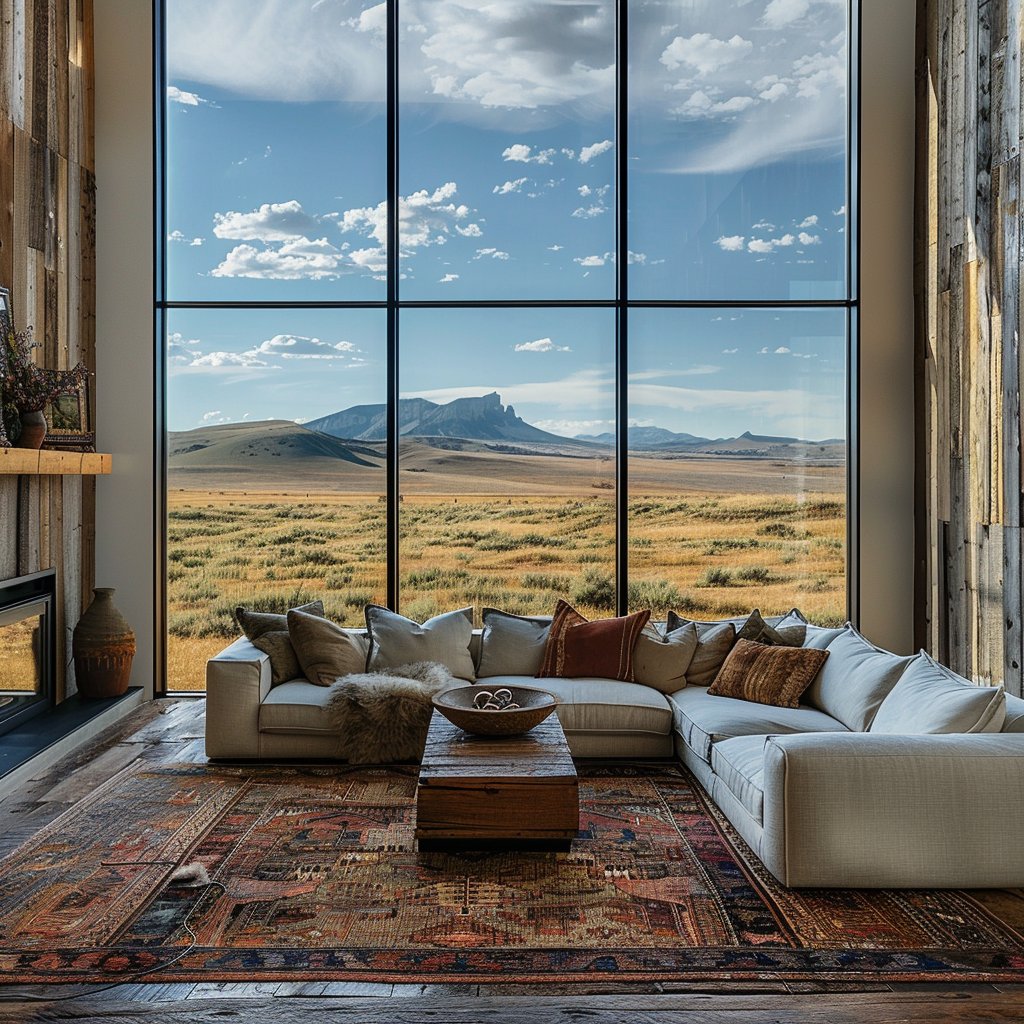
Swan Valley, along with nearby Irwin and Palisades, is known for its scenic setting on the South Fork of the Snake River and its year-round outdoor focus. The city describes the area as framed by mountain ranges and connected to recreation in every season. Jackson Hole is also about a 45-minute drive through mountain passes, which adds to the area’s appeal for second-home buyers and guests.
This is also a rural setting, not a suburban retreat with quick convenience at every corner. Recreation sites in the Palisades area are roughly 45 to 55 miles from Idaho Falls, depending on the site. That distance is part of the draw for many cabin buyers, but it is also part of the tradeoff.
Swan Valley Cabin Lifestyle
If you are drawn to outdoor recreation, Swan Valley has a lot going for it. Fishing is a major reason buyers look here, especially along the South Fork Snake River. Idaho Fish and Game says the river supports Idaho’s largest river population of native Yellowstone cutthroat trout, which gives the area strong long-term appeal for anglers.
The recreation mix goes beyond fishing. Nearby Palisades Reservoir supports boating, camping, hiking, picnicking, water sports, canoeing, rafting, biking, horseback riding, ATV riding, and winter sports. Recreation.gov also notes practical amenities like boat ramps, restrooms, and campgrounds, which help support both personal use and guest interest.
A Four-Season Setting
Swan Valley is not just a summer destination. The local climate data places the area at about 5,397 feet in elevation, with average January highs around 30 degrees and July highs around 85 degrees. Annual precipitation is about 20 inches, which points to a true four-season environment.
That seasonal mix matters when you picture how you will use a cabin. Summer may be the busiest recreation season, but spring, fall, and winter also play a big role, especially for fishing. Recreation.gov notes that spring, fall, and winter are often the most productive fishing periods, and winter ice fishing is especially strong.
Who a Swan Valley Cabin May Fit Best
A Swan Valley cabin can be a strong fit if you want a property centered on experience rather than convenience. Buyers who love fishing, boating, mountain trips, and hosting guests around outdoor activities often find this area especially compelling. It can also make sense if you want a second home that feels removed from city pace.
This type of property may also work well for buyers who want a base near the Tetons and Jackson Hole while staying rooted in Southeast Idaho. The scenic setting and recreation-focused rhythm make it easy to see why Swan Valley attracts second-home shoppers and investor-minded buyers.
Good Fit Signs
A Swan Valley cabin may be right for you if you:
- Want a second home focused on outdoor recreation
- Plan to use the property in more than one season
- Enjoy fishing, boating, hiking, or winter recreation
- Are comfortable with a rural location
- Understand that upkeep may be more hands-on than a typical suburban home
- Like the idea of hosting guests who want a scenic Idaho base
When a Swan Valley Cabin May Be a Tougher Fit
Not every buyer will enjoy the realities that come with cabin ownership in this market. If you need daily convenience, strong walkability, or a low-maintenance property close to urban services, Swan Valley may feel less practical. The area’s rural location is part of its character, but it can also require more planning.
Cold winters, seasonal conditions, and local permitting rules can add complexity. A cabin here may ask more of you than a typical second home in a suburban setting. For some buyers, that is part of the appeal. For others, it is a signal to look elsewhere.
Tough Fit Signs
A Swan Valley cabin may be less ideal if you:
- Want quick access to city services every day
- Prefer a lock-and-leave property with minimal upkeep
- Expect walkable retail or urban convenience nearby
- Do not want to manage seasonal maintenance
- Plan to make major changes without checking local rules first
Ownership Realities to Think Through
Cabin shopping is exciting, but ownership details matter just as much as views and square footage. In Swan Valley, the city issues building permits, and any structure over 120 square feet requires a permit. Idaho handles HVAC, electrical, and plumbing permits and inspections in the city.
The city also lists flood-damage-prevention, zoning, subdivision, and RV ordinances, along with land-use forms. For you as a buyer, the main takeaway is simple: do not assume a property can be changed, expanded, or used exactly the way you picture without checking parcel-level rules first.
Questions to Ask Before You Buy
Before buying a cabin in Swan Valley, it helps to ask:
- What permits were pulled for past additions or improvements?
- Are there zoning or land-use rules that affect future plans?
- Does the property fall under flood-related requirements?
- What seasonal maintenance will the cabin need?
- If you want to host short-term guests, what local tax and filing rules apply?
Winterization and Upkeep Matter
Because Swan Valley sits at elevation and sees cold winters, winterization should be part of your buying decision. Even if you plan to use the property year-round, cold-weather upkeep is not something to treat as an afterthought. Climate data supports the idea that this is a cabin market where seasonal prep matters.
That does not mean ownership has to be stressful. It does mean you should go in with realistic expectations. Buyers who do well here usually understand that a beautiful setting comes with ongoing property care.
Thinking About Short-Term Rental Use
Some buyers look at Swan Valley cabins for personal use plus occasional short-term rental income. That can be appealing in a recreation-heavy market, but you need to understand the tax side clearly. In Idaho, lodging rented for 30 days or less is treated as taxable lodging.
The Idaho State Tax Commission says owners or short-term rental marketplaces must collect Idaho sales tax, Travel and Convention tax, and any applicable local taxes. If you rent directly, you generally handle the tax yourself. If a marketplace arranges the stay, the platform is responsible when it is the booking platform.
Swan Valley’s Local Occupancy Charge
Swan Valley adds a local layer. Ordinance No. 89 imposes a 3% room occupancy charge on receipts from short-term rentals of 30 days or less. If short-term rental use is part of your plan, confirm registration, filing, and platform responsibility with the Idaho State Tax Commission and a qualified tax professional before moving forward.
This is one reason it helps to buy with a local team that understands both the lifestyle side and the practical side of resort-adjacent property. A good purchase decision here is about more than finding a cabin that photographs well.
The Real Tradeoff: Convenience or Setting
At its core, the Swan Valley decision comes down to what you value most. If you want scenery, recreation, and a true getaway feel, this market can be a strong match. If you want convenience and minimal planning, the same qualities that make Swan Valley special may feel limiting.
That is why the right cabin is not just about price or finishes. It is about fit. The best choice is the one that lines up with how you actually want to live, visit, host, and maintain the property through every season.
If you are thinking about buying a cabin in Swan Valley, Top-Notch can help you look beyond the photos and evaluate the full picture, from lifestyle fit to property use considerations. When you are ready to explore your options, connect with Top-Notch Real Estate.
FAQs
Is Swan Valley, Idaho a good place to buy a cabin?
- Swan Valley can be a strong place to buy a cabin if you want a scenic, recreation-focused property with access to fishing, boating, hiking, and year-round outdoor use.
Is a Swan Valley cabin only useful in summer?
- No. Local climate and recreation data show Swan Valley is a four-season setting, with summer water activities and productive fishing in spring, fall, and winter.
What makes Swan Valley cabins appealing to anglers?
- The South Fork Snake River is a major draw because Idaho Fish and Game says it supports Idaho’s largest river population of native Yellowstone cutthroat trout.
What should buyers know about Swan Valley cabin permits?
- The City of Swan Valley issues building permits, and structures over 120 square feet require a permit, while Idaho handles HVAC, electrical, and plumbing permits and inspections in the city.
Can you use a Swan Valley cabin as a short-term rental?
- You may be able to, but rentals of 30 days or less are subject to Idaho lodging taxes, and Swan Valley also imposes a 3% room occupancy charge, so you should confirm the rules before buying.
Is Swan Valley a low-maintenance second-home market?
- Not usually. The rural setting, cold winters, and local permitting considerations mean many buyers should expect a more hands-on ownership experience than they would with a typical suburban second home.