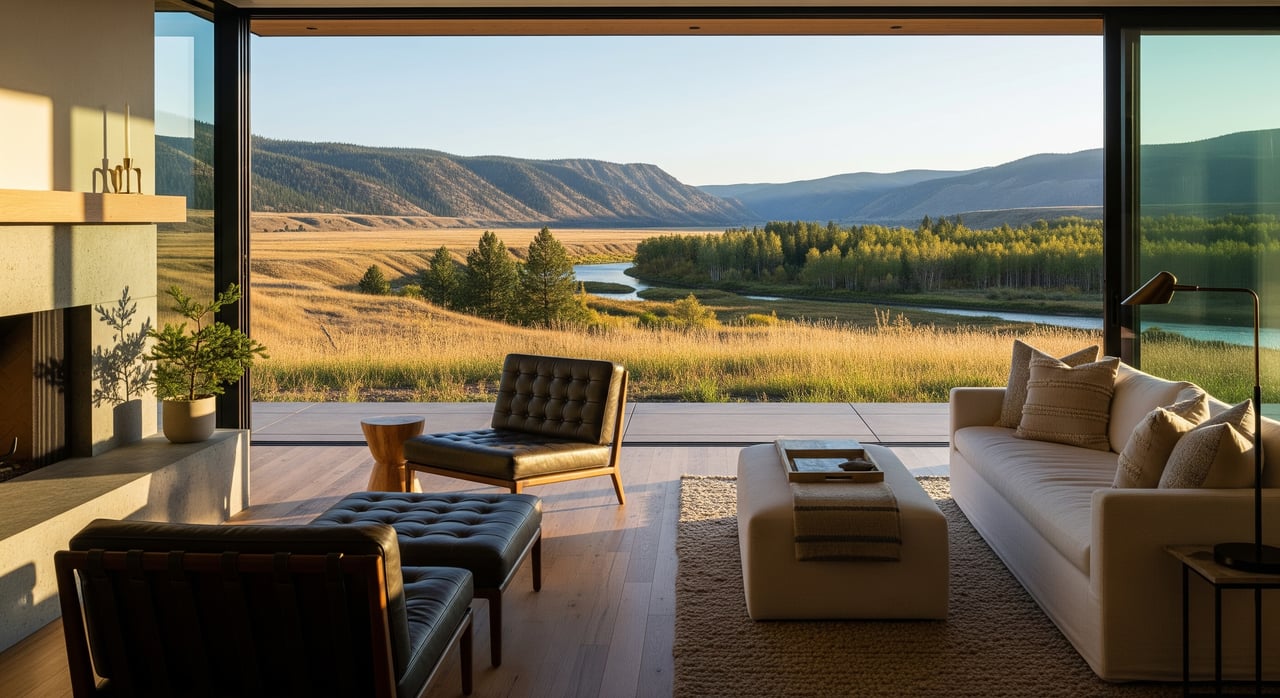
Dreaming of a place where you can unplug for a weekend, fish, hike, and soak in mountain views, then head back to everyday life on Monday? If Swan Valley is calling your name, figuring out the best way to finance that second home is likely your biggest question. You want clear, local guidance so you can invest with confidence and avoid surprises. In this guide, you’ll learn which loans fit second homes, how renting changes your options, what costs to plan for, and a simple step-by-step timeline tailored to Swan Valley. Let’s dive in.
Why financing in Swan Valley is unique
Swan Valley is a small, recreation-focused market in Bonneville County. Inventory can be limited and seasonal, which means timelines and appraisals may look different than in larger nearby cities. Lenders also pay close attention to rural factors like road access, winter conditions, wells, septic systems, and hazard risks.
You should plan ahead for maintenance and winterization, especially if you will not occupy the home year-round. If you plan to rent the property, check local rules early. County or city requirements for short-term rentals, lodging taxes, and HOA guidelines can affect both your financing and your long-term plans.
Define your use and loan type
Your intended use drives everything from loan choices to insurance and taxes. Clarify this first.
Primary vs second home vs investment
- Primary residence: Your main home. Eligible for many low down payment programs.
- Second home: A place you use personally while keeping a separate primary residence. Expect higher down payments and stronger reserve requirements than a primary residence.
- Investment property: A property you primarily rent out for income. These loans generally require larger down payments and higher rates than second-home loans.
If you expect to rent the home regularly, a lender may treat it as an investment property. Your documentation about personal use and rental plans will matter.
Loan options that work in Swan Valley
Most buyers use conventional or portfolio financing for second homes. Here is what to know.
Conventional second-home loans
Conventional conforming loans aligned with Fannie Mae and Freddie Mac guidelines are common for second homes. Expect:
- Down payment: Often 10–20% for second homes. Less than 20% usually requires private mortgage insurance.
- Rates and reserves: Rates are often a bit higher than for a primary residence. Lenders usually require cash reserves measured in months of payments.
- Documentation: Standard income, assets, and credit verification, plus proof that you maintain a primary residence elsewhere.
Pro tip: Ask each lender about reserve requirements up front. These vary and can influence your timeline and property choice.
Government-backed loans usually do not fit
FHA, VA, and USDA loans are generally for primary residences and do not apply to second homes. See program details through HUD for FHA guidance. If you need lower down payment options, plan to focus on conventional or portfolio products instead.
Portfolio and non-QM choices
Local banks, credit unions, and portfolio lenders sometimes offer flexible programs suited to rural or seasonal markets. Non-QM options can help self-employed borrowers or those with nontraditional income. These loans may allow alternative documentation, but often come with higher rates. Compare several scenarios so you can weigh the tradeoffs.
Tap equity from your current home
Using equity in your primary residence is a common strategy to build your second-home budget:
- Cash-out refinance: Replaces your current mortgage and pulls cash for your down payment.
- HELOC or home equity loan: A second lien secured by your primary home. These can be faster to set up and are often used for down payments or improvements.
You can review general mortgage considerations with the Consumer Financial Protection Bureau. Discuss debt-to-income and combined loan-to-value limits with your lender so you stay within acceptable thresholds.
Bridge, construction, and renovation loans
If you need funds before selling another property, a bridge loan can close the timing gap. For cabins that need significant work, construction or renovation financing may be a better fit. These options tend to be short term or carry higher costs, so build them into your budget and exit plan.
Owner financing and creative paths
In smaller markets, some sellers may consider carrying a note or offering lease-to-own structures. Terms depend on the seller and local norms. Your agent can help you evaluate pros and cons and coordinate with your attorney and lender.
How renting changes your financing picture
Short-term rentals and lender rules
If you intend to rent the home part of the year, your lender will ask about your plan. Occasional renting may still qualify as a second home. Regular or frequent short-term rentals can push the classification to an investment property with stricter underwriting.
Qualifying with rental income
If you plan to use rental income to qualify, expect the lender to require documentation such as existing leases, historical income on similar properties, or professional rent schedules. Lenders usually apply a reduced percentage of projected income when calculating what counts toward your qualifying ratios.
Costs, taxes, and insurance to expect
Set a realistic budget that includes both upfront and ongoing costs.
- Down payment and closing costs: Closing costs commonly range from 2–5% depending on fees, title, appraisal, and recording.
- Mortgage insurance: Private mortgage insurance applies to many conventional loans with less than 20% down.
- Property taxes: Bonneville County assessments and mill levies apply. Check rates and schedules with the Bonneville County Assessor and Treasurer.
- Homeowners insurance: Premiums for seasonal homes can be higher. If you rent short term, you may need a landlord or short-term rental endorsement.
- Flood and wildfire risk: Properties near rivers or forested areas may need extra coverage. Review mapping and insurance options through the FEMA National Flood Insurance Program, and compare private policies.
- Utilities and maintenance: Plan for septic and well inspections, winterization, road maintenance, and possible property management if you rent.
- Tax considerations: Mortgage interest on primary and second homes can be deductible within federal limits. If you rent the property, report rental income and deduct allowed expenses. Review federal rules at the Internal Revenue Service and Idaho state guidance through the Idaho State Tax Commission.
Local rules and permits to confirm
Before you rely on rental income or plan alterations, verify:
- Short-term rental licensing and any lodging or transient taxes.
- Zoning or permit requirements for your specific property.
- Septic and well permits, plus any needed upgrades.
- HOA bylaws for rental limits, lease terms, and assessments.
Start with county resources and then confirm with the Town of Swan Valley. Regulations can change, so check current requirements with Bonneville County and your agent.
Step-by-step plan and timeline
Here is a streamlined path that fits Swan Valley’s pace and property types.
Step 0: Clarify intent and constraints (1–2 weeks)
Decide if the home will be personal use only, mixed personal and rental, or primarily rental. If you plan to tap equity from your current home, review your mortgage terms first. This decision shapes loan options, down payment, reserves, and insurance.
Step 1: Financial pre-check and preapproval (1–3 weeks)
Gather credit reports, income documentation, and bank statements. Include proof of your primary residence, such as driver’s license or utility bills. Get preapproved with at least three lenders that have second-home experience and ask about reserves, maximum debt-to-income ratios, down payment minimums, and how they treat short-term rentals.
Step 2: Local market search and due diligence (2–12+ weeks)
Work with a Swan Valley-savvy agent to understand seasonality and access issues. Order inspections that matter for rural and seasonal homes: septic, well water quality and flow, HVAC and winterization, roof condition, and wildfire defensible space. Confirm winter access and road maintenance responsibilities.
Step 3: Offer, appraisal, and underwriting (4–8 weeks)
Coordinate appraisal timing with your lender. Rural and unique properties sometimes require extra comps or time. Provide your occupancy intent and any rental plans. If you need rental income for qualifying, supply leases or rent comps early.
Step 4: Closing and post-closing tasks (1–2 weeks)
Finalize insurance with any required endorsements and confirm flood determinations. If you plan to rent, register for local lodging taxes where applicable and set up property management or a reliable maintenance plan.
Most conventional closings take about 30–45 days. If you are also completing a cash-out refinance or bridge loan, align the timelines carefully.
Common pitfalls to avoid
- Misclassifying occupancy. If your rental plan is frequent or year-round, expect investment loan terms.
- Underestimating reserves. Many lenders want several months of payments in liquid assets for a second home.
- Skipping rural inspections. Septic, wells, and winter access can make or break your plans and insurance.
- Assuming flood or wildfire risk is low. Verify coverage needs even if a property is not in a mapped floodplain.
- Counting on aggressive rental projections. Lenders usually discount projected income. Use conservative numbers.
Your local advantage
Financing a second home is part math and part local insight. You want a team that blends lending know-how with on-the-ground experience in Swan Valley’s rural and seasonal realities. From access and utilities to STR rules and marketing, local guidance helps you buy with confidence.
Ready to explore properties or fine-tune a financing plan for Swan Valley? Connect with the team at Top-Notch Real Estate for local market insight, second-home search support, and guidance on STR-friendly listings in Southeast Idaho.
FAQs
Can I use FHA or VA for a Swan Valley second home?
- Generally no. FHA and VA programs are designed for primary residences, so second homes typically use conventional or portfolio loans.
How much down payment do second-home loans require?
- Many conventional second-home loans call for 10–20% down, while investment properties often require 15–25% or more depending on lender and your profile.
Are rates and underwriting tougher for second homes?
- Yes. Expect slightly higher rates than a primary residence and stronger reserve requirements. Solid credit and assets help secure better terms.
If I rent part-time, is it still a second home?
- It depends on frequency and lender policy. Occasional renting may qualify as a second home, but regular short-term rentals often push it to investment classification.
Can I use equity from my primary home for the purchase?
- Yes. A cash-out refinance, HELOC, or home equity loan can fund your down payment, subject to debt-to-income and loan-to-value limits.
Do I need special insurance for a seasonal or rental property?
- Often yes. Seasonal use and short-term rentals may need endorsements or specialized policies, and flood or wildfire coverage could be required based on location.