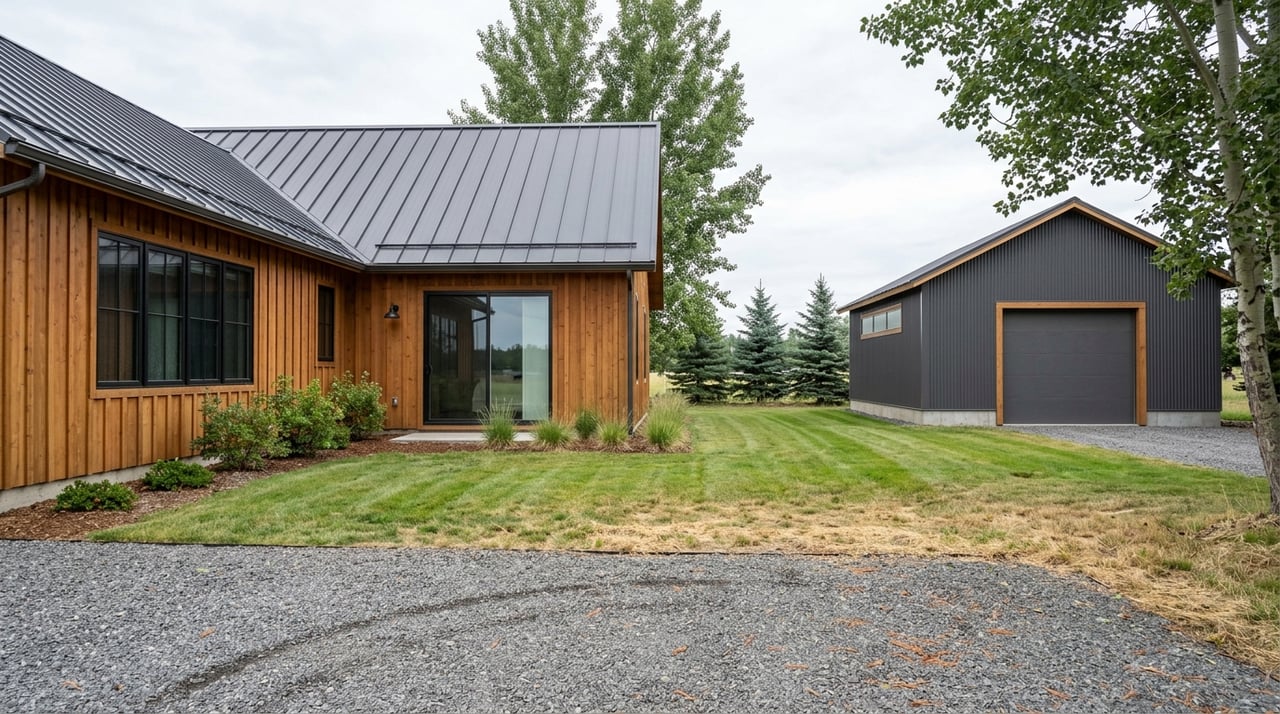
Dreaming of a little more space without giving up your connection to Idaho Falls? Iona often lands on buyers’ shortlists for exactly that reason. You can find properties with more breathing room here, but acreage shopping in and around Iona comes with a few details that matter more than many buyers expect. This guide will help you understand what to look for, what questions to ask, and how to shop smarter before you make a move. Let’s dive in.
Why Iona Appeals to Space-Seeking Buyers
Iona sits about five miles northeast of Idaho Falls, which makes it attractive if you want extra room while staying close to city conveniences. That close-in location gives you a practical mix of access and elbow room.
The area’s history is tied to homestead-sized tracts and irrigation ditches, and that still shapes how buyers should think about land today. In Iona, usable space is only part of the story. Water, access, and land rules can be just as important as lot size.
What “Acreage” Can Mean in Iona
One of the first things to know is that acreage around Iona does not always mean one specific kind of property. Current listing examples in and around the area range from roughly one-third acre and one-half acre homesites to one-acre lots and much larger parcels, including a 68.51-acre property.
That variety matters because your best fit may depend less on the total number of acres and more on how the land works for your goals. You may want room for RV parking, a shop, outbuildings, garden space, animal areas, or future additions. In many cases, usable layout matters just as much as the acreage number on paper.
Focus on Usable Space First
When you tour property in Iona, it helps to think beyond the listing headline. A lot may sound large, but the real value often comes from how much of that land is practical and accessible.
As you compare options, consider whether the property gives you:
- Space for parking extra vehicles or equipment
- A possible site for a shop or barn
- Room for gardening or hobby-farm uses
- Access for trailers or RVs
- Flexibility for future improvements
A property can look spacious online and still have limits once you account for access lanes, easements, setbacks, or utility placement. That is why due diligence matters so much with land.
Understand City and County Oversight
Iona has its own planning and zoning commission and public works department. Depending on where a parcel sits, you may be dealing with city-level rules, county-level rules, or both.
That is especially important because Iona’s subdivision ordinance applies not only within city limits, but also within one mile outside the city limits unless a designated area-of-impact agreement applies. In practical terms, you should not assume a parcel follows one simple rulebook just because it has an Iona mailing address.
Utilities Can Vary by Property
Utility setup is one of the biggest factors to confirm early. The City of Iona says it provides water utilities to residents, and it currently lists water service at a flat $49 per month. Sewer service is handled through the Iona Bonneville Sewer District, while gas, power, and trash are provided through outside providers.
For larger lots or properties outside city service areas, the setup may look different. That means you should verify exactly how each property is served before you get too far into the process.
If a property is not on city sewer or water, ask specific questions about:
- Water source n- Sewer or septic system
- Power availability
- Gas service
- Road maintenance and year-round access
For septic systems outside city service, Idaho DEQ says public health districts permit and inspect septic systems. Eastern Idaho Public Health serves Bonneville County for septic and land-development matters. Idaho law also requires licensed well drillers and a drilling permit before drilling a well.
Roads, Easements, and Access Deserve Extra Attention
Access can make or break a land purchase. A property map might make everything look simple, but acreage buyers need to dig deeper.
Bonneville County says its parcel map is for reference only and not a legal boundary source. The county also notes that the Assessor does not currently track or map easements. That means you should verify surveys, recorded easements, driveway access, and any ditch or right-of-way issues before closing.
This is one of the biggest reasons buyers should avoid assumptions with acreage. If you plan to build a shop, add fencing, use a lane for access, or count on a certain corner of the property for storage or animals, you want documentation to support that use.
Zoning Matters More Than Buyers Expect
If you are shopping for elbow room in Iona, zoning should be part of your first conversation, not your last. The city code includes several zones, including Agricultural, Residential Agricultural, Single Family Residential, Residential Townhouse, Residential, Commercial, and Industrial.
Those labels affect what you may be able to do with the property. For example, the R-1 chapter says its purpose is to preserve residential neighborhoods and encourage low-density development. It also allows domestic farm animals only on lots of at least one acre, with animal-unit limits tied to acreage.
That detail is a good reminder that buying land does not automatically mean full flexibility. If animals, outbuildings, or future additions are part of your plan, verify the parcel-specific zoning before you move forward.
Do Not Rely on a Map Alone
Iona’s zoning map page is currently under construction. Because of that, parcel-specific zoning should be confirmed with the city office rather than guessed from a listing description or mailing address.
This may feel like a small step, but it can save you from major surprises. A quick confirmation early can help you avoid falling in love with a property that does not fit your intended use.
Lot Splits and Subdivision Rules Are Important
Some buyers look at a larger parcel and immediately think about splitting it later. In Iona, that is not something to assume.
The city’s subdivision ordinance says no one may subdivide or resubdivide land within the city or within one mile outside the city limits without a city-approved final plat, unless an area-of-impact agreement applies. If future lot division is part of your long-term plan, that should be researched before you write an offer.
Acreage Does Not Always Mean No Restrictions
Another common mistake is assuming a larger lot comes with fewer rules. Some current listings in Iona show homeowners associations or annual fees, which means acreage properties can still come with restrictions.
Before you buy, review the recorded plat and any association rules carefully. This is especially important if you are planning for shops, animals, fencing, exterior storage, or changes to the property over time.
Agricultural Classification and Holding Costs
If you are considering a larger property, tax classification is worth checking early. Bonneville County says land totaling more than five contiguous acres may qualify for agricultural classification, while land that is five acres or less is presumed non-agricultural until the owner meets the statutory test.
This is a tax classification issue, not a zoning approval. Still, it can affect your holding costs, so it is smart to ask about it during your property search rather than after closing.
A Smart Iona Acreage Checklist
If you are searching for elbow room near Idaho Falls in Iona, keep your due diligence simple and focused. The goal is to confirm how the property works in real life, not just how it looks in a listing.
Here is a practical checklist to use:
- Confirm whether the parcel falls under city, county, or area-of-impact rules
- Verify water, sewer, septic, power, gas, and trash service
- Review parcel-specific zoning with the city or county as needed
- Ask whether HOA rules or subdivision restrictions apply
- Request survey and recorded easement documentation
- Verify driveway access, road access, and any ditch or right-of-way concerns
- Ask early about lot split potential if that matters to you
- Check whether agricultural classification may apply for tax purposes
Why Local Guidance Helps in Iona
Iona can be a great fit if you want more room near Idaho Falls, but it is a market where details matter. A property may offer the space you want, yet the real question is whether the land supports the way you plan to use it.
That is where local guidance becomes valuable. When you have someone helping you confirm jurisdiction, utility setup, access, and restrictions early, you can shop with a lot more confidence and avoid costly assumptions.
If you are exploring acreage, hobby-property options, or larger lots near Idaho Falls, Top-Notch Real Estate can help you compare properties, ask the right questions, and move forward with clarity.
FAQs
What makes Iona appealing for buyers who want more space near Idaho Falls?
- Iona is about five miles northeast of Idaho Falls, so it offers a close-in option for buyers who want more room without being far from city amenities.
What lot sizes can buyers find in and around Iona?
- Current listing examples range from about one-third acre and one-half acre homesites to one-acre lots and much larger parcels, including a 68.51-acre property.
What utility questions should buyers ask about acreage property in Iona?
- Buyers should confirm water source, sewer or septic service, power, gas, trash service, and road access because utility patterns can vary by property.
What should buyers know about zoning for Iona acreage properties?
- Iona has multiple zoning categories, and parcel-specific zoning should be confirmed directly with the city because allowed uses can vary and the online zoning map page is under construction.
What should buyers verify about access and boundaries for land near Iona?
- Buyers should verify surveys, recorded easements, driveway access, and any ditch or right-of-way issues because Bonneville County’s parcel map is for reference only and is not a legal boundary source.
What should buyers know about agricultural classification in Bonneville County?
- Bonneville County says land with more than five contiguous acres may qualify for agricultural classification, while five acres or less is presumed non-agricultural until the statutory test is met.