Feeling torn between walkable charm and a bigger backyard? If you are moving within Southeast Idaho or relocating to Idaho Falls, choosing the right neighborhood for your family is a big decision. Your short list likely includes schools, parks, commute, and the style of home you want. This guide breaks down Idaho Falls’ main residential areas so you can compare options with confidence.
You will see how each area stacks up for schools, parks and recreation, commute patterns, housing styles, and everyday convenience. You will also get a simple checklist and quick shortlists for common family scenarios. Let’s dive in.
How to choose your Idaho Falls area
Start with your day-to-day needs, then weigh the tradeoffs.
- School district and attendance boundaries that fit your plan
- Park and playground access within walking distance or a short drive
- Commute to work, daycare, and major services like Eastern Idaho Regional Medical Center
- Housing type and yard size that match your lifestyle
- Walkability to downtown versus new-subdivision conveniences
- HOA rules, utilities, and potential natural hazards such as the Snake River floodplain
Idaho Falls sits on the Snake River in Bonneville County and offers relatively short cross-town commutes compared to larger cities. Most in-city trips fall in the 15 to 30 minute range, depending on location and traffic. Keep in mind that commutes to Idaho National Laboratory, located west and northwest of town, can be longer from east-side neighborhoods than from west-side areas near the US 20, US 26, and I 15 corridors.
Quick snapshot: neighborhood groups
- Downtown and Riverwalk: Historic homes near cultural amenities and the Greenbelt. Smaller lots and more home maintenance are common tradeoffs for walkability.
- West Side and Snake River Landing: Newer mixed-use and single-family options close to riverfront parks and shopping. Convenient access to major corridors.
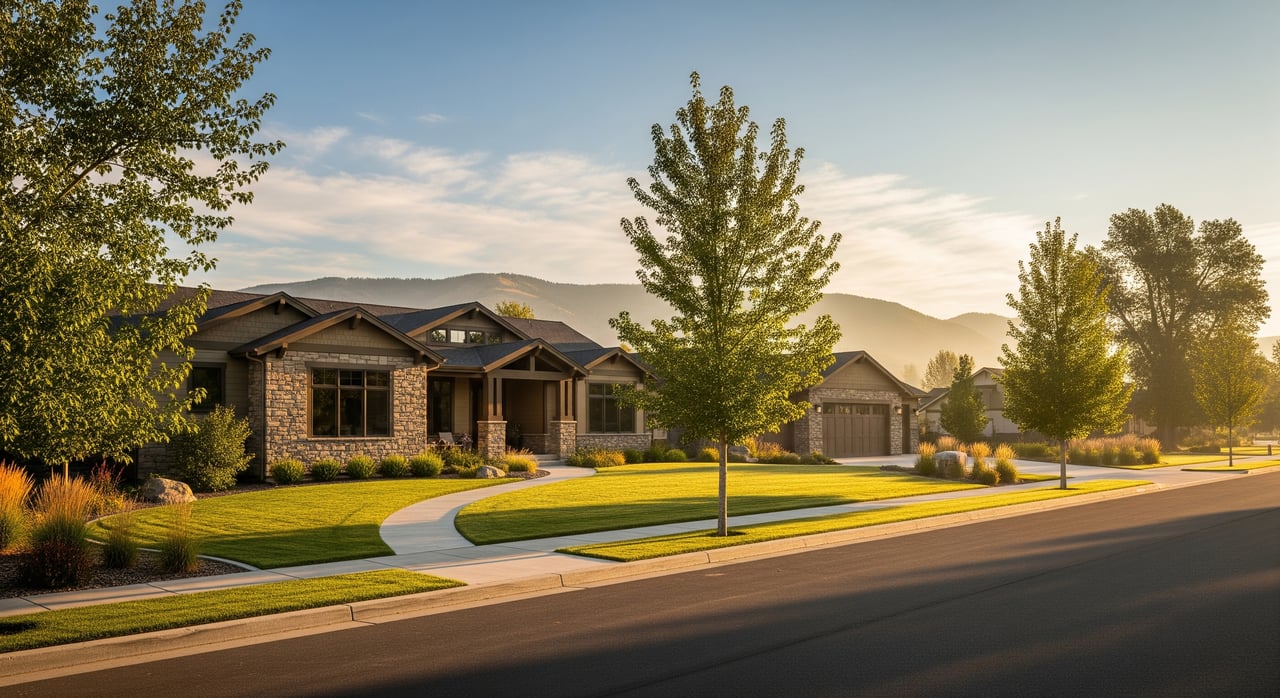
- Northeast and East, Ammon-adjacent: Newer subdivisions, family floorplans, and neighborhood parks. Commutes to INL may be longer from here.
- South, established neighborhoods: Mid-century homes with mature trees and central access to services. Many homes benefit from updates.
- Outskirts and acreage in Bonneville County: Larger lots and privacy outside the core. Fewer walkable amenities and more driving for services.
Neighborhoods compared
Downtown, Old Town, Riverwalk
- Schools: Served by Idaho Falls schools within District 91. Verify the exact attendance boundary for your address, since compact areas can feed different schools.
- Parks and recreation: Immediate access to the Snake River Greenbelt and riverfront parks. Tautphaus Park and cultural venues are a short drive.
- Commute: Quick trips to downtown employers, College of Eastern Idaho, and the hospital district.
- Homes and price feel: Older single-family homes, bungalows, Craftsman, duplexes, and some condos. Pricing varies by size and level of renovation. Expect smaller lots and potential upgrade projects.
Riverfront, West Side, Snake River Landing corridor
- Schools: Primarily District 91. Confirm boundaries for specific streets and subdivisions.
- Parks and recreation: Excellent access to the Greenbelt, riverfront parks, and events at Snake River Landing. Shopping and dining are close by.
- Commute: Direct routes to downtown and west-side employers with easy connection to US 20, US 26, and I 15.
- Homes and price feel: A mix of newer single-family homes and townhomes in or near mixed-use areas. Buyers often pay a premium for newer construction and river-adjacent convenience.
Northeast, East, and Ammon-adjacent suburbs
- Schools: Depending on location, homes may be in District 91 or Bonneville Joint School District 93. Always verify attendance boundaries for the address.
- Parks and recreation: Many neighborhoods include parks, playgrounds, and planned open space. Retail corridors provide everyday conveniences.
- Commute: Short to moderate drives to downtown and EIRMC. Commutes to INL can be longer from the east side.
- Homes and price feel: 1990s to present builds with two-story family plans, larger garages, and modern systems. Newer subdivisions often carry higher prices per square foot.
South, established residential neighborhoods
- Schools: Typically District 91. Confirm the feeder pattern from elementary through high school for your block.
- Parks and recreation: Neighborhood parks, mature trees, and quieter streets are common. Some schools may be within walking distance, depending on the address.
- Commute: Central location provides balanced access to downtown, the hospital, and retail corridors.
- Homes and price feel: Mid-century ranches and split-levels with moderate to generous yards. Many homes benefit from updates or remodels.
Outskirts, acreage, and rural residential in Bonneville County
- Schools: Properties outside city limits are more likely to feed rural schools or different districts. Bus service is more common. Verify boundaries.
- Parks and recreation: Proximity to open land and rural trails, but plan for longer drives to organized sports fields, recreation centers, and pools.
- Commute: Varies by direction and road conditions. Trips to INL or downtown can take longer.
- Homes and price feel: Acreage properties, manufactured homes, and custom builds. Expect higher total prices for land and outbuildings, plus checks on well, septic, and road maintenance.
Schools and childcare: how to evaluate
School boundaries change, so verify the current map for any address. City addresses are primarily served by District 91, while parts of the metro and nearby communities fall under District 93.
Use a consistent process:
- Review Idaho State Department of Education report cards for objective metrics like test proficiency and graduation rates.
- Confirm feeder patterns from elementary to high school and whether a move would change districts during your timeline.
- Look for programs important to your family, including STEM, arts, special education, and language offerings.
- Consider school commute logistics, bus options, and drop-off traffic.
- Use parent reviews as context, not the sole decision factor.
Childcare availability varies by area. Central neighborhoods and newer suburbs often have more daycare centers and preschools, and waitlists can be common. If you are relocating with young children, contact providers early.
Safety, hazards, and services to check
Crime and safety data can vary block by block. Review local police crime maps and multi-year trends rather than single incidents.
Natural hazard checks help you plan and budget:
- Snake River floodplain: River proximity is a perk for parks and views, but you should review FEMA flood maps and insurance requirements for river-adjacent properties.
- Wildfire risk: Rural and edge areas can have more vegetation. Check local wildfire zone information and fire protection districts.
- Winter conditions: Consider snow removal and road maintenance, especially for rural roads or any hillier streets.
Utilities differ by location. Inside city limits you are more likely to have municipal water, sewer, and road services. Outside the city you should confirm well and septic systems, private road maintenance, and power reliability.
Family home search checklist
Use this list to compare your top neighborhoods:
- Verify current school attendance boundary for the exact address
- Test commute times to work and daycare during peak hours
- Review recent comparable sales from the past 6 to 12 months
- Check neighborhood crime data and trends
- Confirm FEMA floodplain status for any river-adjacent property
- Ask about HOA rules, dues, and reserves if applicable
- Evaluate lot orientation, sun exposure, and yard usability
- Confirm utilities for rural homes, including well, septic, and road maintenance
- Review city or county planning maps for future development
Shortlists for common scenarios
Walkable downtown family
- Consider Downtown, Old Town, and Riverwalk for access to the Greenbelt, cultural events, and restaurants. Expect smaller lots and older homes with character.
New subdivisions for growing families
- Focus on the Northeast, East, and Ammon-adjacent suburbs for newer builds, neighborhood parks, and modern layouts. Confirm school district for each address.
Acreage and shop space seekers
- Explore the outskirts of Bonneville County for larger lots, detached shops, and privacy. Plan for longer drives and confirm well, septic, and fire protection.
Next steps for on-the-ground comparison
- Visit your short list at different times of day. Check morning drop-off, evening traffic, and weekend activity.
- Walk the nearest park and the route you might take with kids or pets.
- Drive your actual work route during peak hours to validate commute expectations.
- Contact the school district to confirm attendance boundaries and transportation.
- Review local planning and parks pages to see upcoming projects that could change traffic or add amenities.
When you are ready to tour homes, a local guide saves time and stress. Our team lives and works across Idaho Falls, Ammon, Rigby, and nearby communities. We help you match your lifestyle with the right block, school path, and commute.
Ready to find your fit?
If you want a neighborhood-by-neighborhood game plan, we are here to help with relocation support, school boundary checks, and on-the-ground tours. Connect with the local team at Top-Notch Real Estate to start your Idaho Falls home search today.
FAQs
What should families know about Idaho Falls commutes?
- Idaho Falls offers relatively short in-city commutes of about 15 to 30 minutes. Trips to Idaho National Laboratory can take longer from the east side than from the west side or areas near US 20, US 26, and I 15.
Which school districts serve Idaho Falls addresses?
- City addresses are primarily in Idaho Falls School District 91, while parts of the metro and adjacent communities are in Bonneville Joint School District 93. Always verify boundaries for the exact address.
Are HOAs common in Idaho Falls suburbs?
- Many newer subdivisions include HOAs with rules and dues. Ask for the fee schedule, reserves, and any use restrictions before you submit an offer.
Do homes near the Snake River require flood insurance?
- Properties adjacent to the river may fall within the FEMA floodplain, which can require flood insurance. Confirm the specific parcel’s status and history during due diligence.
What home styles will I find in each area?
- Downtown areas feature older bungalows and Craftsman homes, south-side neighborhoods offer mid-century ranches and split-levels, the east and northeast have newer two-story family plans, and the outskirts include acreage, manufactured homes, and custom builds.
How early should I plan for childcare or preschool?
- Central and newer suburban areas often have more providers, but waitlists are common. If you are relocating with young children, start contacting providers early in your search.